

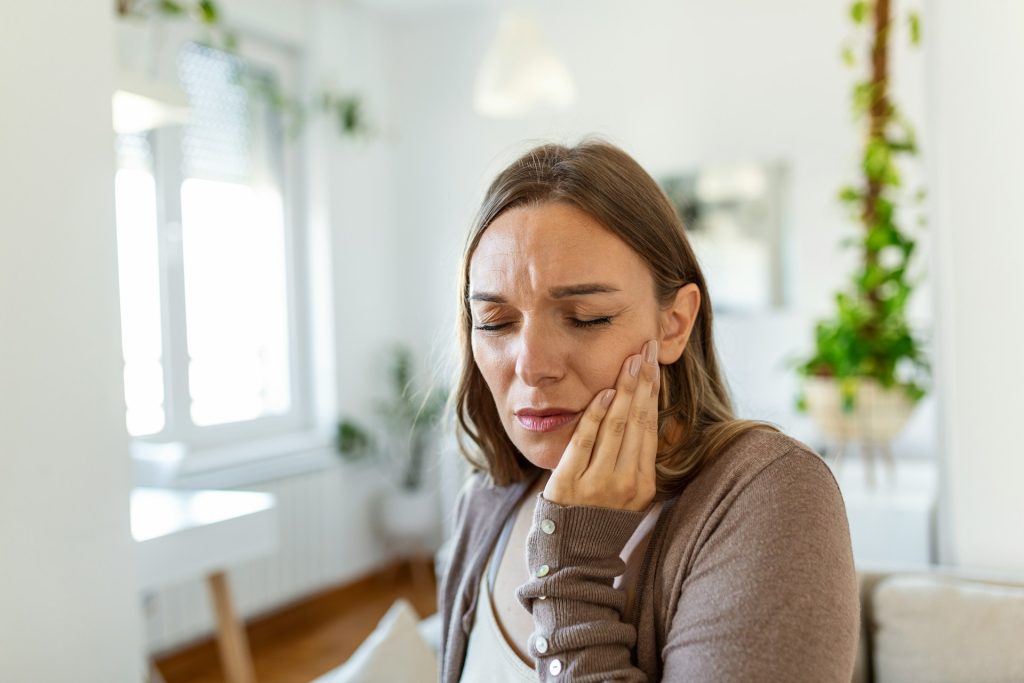

Tooth pain after a recent dental visit isn’t something most people expect, so when it lingers, it can leave you stressed or unsure about what to do next. It’s normal to have a little soreness, especially a day or two after treatment, but ongoing discomfort might feel like a surprise. There are a few reasons that could explain why your recovery isn’t as smooth as you hoped. Whether it was a simple filling or a more involved procedure, what you’re feeling could be influenced by the type of treatment, the timing, or what’s happening inside your mouth.
This time of year, when Boise winter air tends to run dry and crisp, your response to treatment can be slightly different. Temperature shifts and winter habits can factor into how your healing process plays out. If you recently had a Boise dental treatment and the discomfort is hanging on longer than you expected, it’s worth knowing the common reasons why that might be happening.
Why Tooth Pain Doesn’t Go Away Immediately
Right after dental work, your mouth needs time to settle. The area that was worked on may be adjusting, especially if a filling, crown, or deep cleaning was involved. It’s common for your bite to feel slightly off or for the treated tooth to feel tender for a few days. In most cases, this fades with rest and normal care.
• The nerves around the treatment area may still be sensitive and can take extra time to calm down, especially when exposed to hot or cold triggers.
• Winter cold and indoor heating can dry out your mouth, which may add a bit more discomfort as you heal.
• Different procedures affect your mouth in different ways. A filling might feel better quickly, while a crown or deeper work could take more time and adjustment.
At Capitol Dental, we offer a wide range of general dental treatments for patients of all ages, including same-day crowns, fillings, and gentle root canals. Our advanced technology, such as digital X-rays and precise restoration techniques, aims to make your visit as comfortable as possible.
It often helps to give your mouth a few days of quiet before expecting everything to feel back to normal. But pain that lasts beyond that window might be pointing to something else.
When Normal Soreness Turns Into Something More
Pain that fades after a few days isn’t unusual, but pain that sticks around or gets worse could be a sign that something more is going on. It’s not always easy to tell the difference, but your body usually gives you signs when something needs more attention.
• If you notice that chewing still hurts days later, or pressure on the tooth feels sharp instead of dull, it might be worth having that checked.
• Swelling that doesn’t go down or soreness that spreads could mean there’s more inflammation than expected.
• In Boise, cold weather can cause dryness that makes your mouth feel more irritated, especially around healing spots.
Discomfort that changes over time or becomes more focused in one area might be your signal to book a follow-up. Knowing those signs can help you feel more in control instead of stuck in the unknown.
What Could Be Causing the Lingering Pain
Some reasons behind lingering tooth pain are quite small, yet impactful. Your bite, for example, might be slightly off after a new crown or filling. That tiny shift can throw off how your jaw closes and can lead to soreness that continues until it’s adjusted.
• A high bite might cause pressure that makes your jaw ache, especially when chewing certain foods.
• There could be deeper issues under the surface, like a hairline crack or nerve irritation, that weren’t visible at first glance.
• Winter tension or stress may lead to clenching or grinding, particularly during sleep, which can add new pressure to a treated tooth.
For some, a mild adjustment at our Boise office can make all the difference. Our team encourages open communication about any pain that persists beyond the typical healing period.
Pain that feels sharper or deeper than before might mean the area needs a closer look. It’s less about the procedure itself and more about how your mouth reacts afterward.
Why Communication With Your Dentist Matters
If pain sticks around longer than expected, having a conversation with your dentist can seem like a big help. Regular check-ins or quick adjustments are often all that’s needed to make things feel right again.
• A slight tweak to your bite can get rid of pressure that’s been building since the initial visit.
• Seeing your dentist for a re-check allows them to spot any small issues that may have developed after the treatment.
• Choosing local care matters too. A Boise dental treatment provider will be tuned into the specific climate and seasonal shifts that may be playing a part in how your recovery feels.
When you’re honest about what’s been bothering you, it gives your dentist the details they need to help make things better. You shouldn’t have to wait it out in silence if something still doesn’t feel quite right.
Your Next Step For Relief
Ongoing tooth pain can feel discouraging, especially if you hoped the treatment would solve the problem completely. But pain that sticks around doesn’t always mean something has gone wrong. Sometimes, the next step is just about tracking your symptoms, speaking up early, and giving your body some extra patience.
This time of year is actually a good moment to check on those lingering issues. Winter weather often slows our schedules and creates space for rest, which can help with both healing and follow-up care. Noticing changes in your comfort level, staying hydrated, and reaching out when recovery seems off helps keep things moving in the right direction. All of that puts you a little more at ease, and lets you move into the new season without carrying that discomfort with you.
Ongoing discomfort after a Boise dental treatment doesn’t have to be something you struggle with alone. Sometimes just a small adjustment or a closer evaluation makes all the difference. At Capitol Dental, we’ve seen how even little changes can help get your smile feeling normal again. Reach out today to schedule a follow-up so we can discuss what you’ve been experiencing.