



Ceramic Dental Crowns: Top 5 Benefits in 2024
Introduction
If you’re thinking about ceramic dental crowns, you’re likely weighing your options for both appearance and durability.
Quick Overview:
1. Ceramic Crowns: Strong, natural-looking, especially for front teeth.
2. Porcelain-Fused-to-Metal (PFM) Crowns: Sturdy but can show metal edges.
3. Gold Crowns: Extremely durable but very noticeable.
Dental crowns, often referred to as “caps,” are designed to cover damaged or unattractive teeth. They help restore the tooth’s appearance and function. Among the different types of crowns, ceramic dental crowns stand out for their natural look and durability.
At Capitol Dental, we specialize in offering personalized dental care using advanced, cutting-edge technology. Whether you need a crown for a single tooth or a more comprehensive solution, our team is dedicated to giving you a smile that looks as good as it feels.
What Are Ceramic Dental Crowns?
Ceramic dental crowns are a popular choice for restoring damaged or discolored teeth. They are crafted from high-quality dental ceramics, such as porcelain, which mimic the natural appearance of your teeth.
Definition
A ceramic dental crown is a cap that covers a damaged or decayed tooth. It restores the tooth’s shape, size, strength, and appearance. The crown is cemented into place, fully encasing the visible portion of the tooth above the gum line.
Materials
Ceramic crowns are made from various types of dental ceramics. The most common materials include:
- Lithium disilicate: Known for its strength and aesthetic appeal.
- Monolithic zirconia: Offers high durability and is ideal for back teeth.
- High translucent zirconia: Provides a more natural look, suitable for front teeth.
- Leucite reinforced porcelain: Combines strength with a natural appearance.
Uses
Ceramic crowns are versatile and can be used for several dental issues:
- Covering a damaged or decayed tooth: Protects the tooth and restores its function.
- After a root canal: Shields the treated tooth from further damage.
- Cosmetic improvements: Covers discolored or misshapen teeth for a uniform smile.
- Supporting a dental bridge: Helps fill gaps left by missing teeth.
- Covering a dental implant: Acts as the visible part of the implant.
Appearance
One of the standout features of ceramic crowns is their natural look. They can be color-matched to your existing teeth, making them almost indistinguishable from your natural teeth. This is particularly beneficial for front teeth, where appearance is crucial.
Natural Look
Ceramic crowns reflect light in a way that closely resembles natural tooth enamel. This translucency gives them a more lifelike appearance compared to other types of crowns.
Dr. Ali Saeghi from Modern Age Dentistry highlights, “Ceramic crowns are beyond natural looking and can be matched to your own surrounding teeth precisely, to the shade.” This makes them an excellent choice for anyone looking to enhance their smile seamlessly.
Next, we’ll delve into the different types of ceramic dental crowns available and their specific benefits.
Types of Ceramic Dental Crowns
When it comes to ceramic dental crowns, you have several options. Each type offers unique benefits, making them suitable for different dental needs. Here’s a breakdown of the four main types:
Lithium Disilicate Crowns
Lithium disilicate crowns are made from a thin, light material that’s incredibly resilient. They have a high flexural rate, meaning they can withstand hard biting and chewing. This durability makes them a great choice for restoring front teeth, where aesthetics are crucial.
Example: A patient with a chipped front tooth might opt for a lithium disilicate crown. Its natural appearance and strength make it an ideal solution for maintaining a beautiful smile.
Solid or Monolithic Zirconia
Solid or monolithic zirconia crowns are virtually unbreakable, making them perfect for back teeth that endure a lot of pressure. They come in various shades to match your natural teeth and are known for their smoothness and durability.
Example: For someone with bruxism (teeth grinding), a monolithic zirconia crown can provide the necessary strength to withstand the pressure without breaking.
High Translucent Zirconia
High translucent zirconia crowns are made from highly biocompatible materials, promoting a healthy response from surrounding tissues. They offer lifelike translucency, transmitting the color of adjacent teeth to blend seamlessly with your natural smile.
Example: If you need a crown for a front tooth but want it to look as natural as possible, high translucent zirconia is a fantastic choice. Its translucency mimics natural tooth enamel, making it nearly indistinguishable from your other teeth.
Leucite Reinforced Pressable Porcelain Crowns
Leucite reinforced pressable porcelain crowns combine high durability with great aesthetics. They have high translucency and can transmit the shade of adjacent teeth, allowing them to match even in the most challenging cases. However, they aren’t as durable as the other options.
Example: A patient seeking a balance between aesthetics and strength might choose leucite reinforced porcelain crowns for visible teeth, where appearance is important but the biting force is moderate.
Each type of ceramic dental crown has its own set of advantages, making it essential to consult with your dentist to determine which is best for your specific needs. Next, we’ll compare ceramic crowns to other types of dental crowns to help you make an informed decision.
Benefits of Ceramic Dental Crowns
Ceramic dental crowns come with a host of benefits that make them a preferred choice for many patients. Let’s break down the key advantages:
Durability
Ceramic crowns are incredibly durable. They protect teeth that are cracked, stained, chipped, or decayed. They can also stabilize a dental bridge or cover an implant. According to Dr. Ali Saeghi from Modern Age Dentistry, ceramic crowns offer unique stabilizing qualities, making them a robust option for various dental issues.
Aesthetics
One of the standout features of ceramic crowns is their natural look. They can be matched precisely to the shade of your surrounding teeth. Dr. Saeghi emphasizes that ceramic crowns are beyond natural-looking, making them an excellent choice for front teeth.
Tailored Fit
Ceramic crowns are custom-made using a mold of your teeth. This ensures a perfect fit, meaning the crown won’t be too tight or too loose. A well-fitted crown feels like a natural part of your mouth, enhancing comfort and functionality.
Protective Quality
A well-fitted ceramic crown acts as a barrier, protecting your existing tooth from food, beverage debris, and bacteria. This reduces the risk of further decay and keeps your tooth healthier for longer.
Anti-Allergy
Ceramic crowns eliminate the risk of metal allergies. This is a significant advantage for patients who are sensitive to metals. Choosing a ceramic crown can reduce stress and make your dental experience more comfortable.
Restorative Capability
Many patients don’t realize how much they overwork their other teeth when chewing due to a damaged tooth. Once a ceramic crown is placed, you can eat comfortably without worrying about sensitivity. You can even enjoy crunchy foods like apples without any issues.
Convenience
At Capitol Dental, we use advanced technology to craft and fit your ceramic crown in one day. This is a significant time-saver compared to traditional methods that require multiple visits. You can walk out with a brand-new smile in just one appointment.
Next, we’ll compare ceramic crowns to other types of dental crowns to help you make an informed decision.
Comparing Ceramic Crowns to Other Types
When it comes to dental crowns, there are several materials to choose from. Let’s compare ceramic crowns with porcelain-fused-to-metal, metal, and composite resin crowns to help you decide which is the best fit for your smile.
Ceramic vs. Porcelain-Fused-to-Metal
Ceramic Crowns:
– Aesthetics: Superior natural look and translucency, making them ideal for front teeth.
– Metal-Free: Excellent for those with metal allergies.
– Durability: Strong enough for front teeth but may not withstand heavy biting forces as well as metal-based crowns.
Porcelain-Fused-to-Metal (PFM) Crowns:
– Strength: Metal core provides enhanced durability, good for back teeth.
– Aesthetics: Porcelain layer mimics natural teeth, but the metal can sometimes show through at the gum line.
– Cost: Usually less expensive than all-ceramic crowns but still more costly than all-metal options.
Ceramic vs. Metal
Ceramic Crowns:
– Appearance: Blend seamlessly with natural teeth, especially in visible areas.
– Comfort: No risk of allergic reactions, metal-free.
– Durability: Though strong, they are more prone to chipping compared to metals.
Metal Crowns:
– Strength: Extremely durable and can withstand heavy chewing forces, ideal for molars.
– Appearance: Noticeable metallic color, not suitable for visible teeth.
– Cost: Often less expensive, but not the best option for aesthetic purposes.
Ceramic vs. Composite Resin
Ceramic Crowns:
– Longevity: Longer-lasting and more resistant to wear and staining.
– Aesthetics: Superior in mimicking the natural tooth color and translucency.
– Maintenance: Easier to clean and maintain, less prone to discoloration.
Composite Resin Crowns:
– Cost: Generally more affordable than ceramic crowns.
– Appearance: Can be color-matched but tend to stain and wear down faster.
– Durability: Less durable, more prone to chipping and breaking compared to ceramic crowns.
Next, let’s explore the procedure for getting ceramic dental crowns to give you a clear picture of what to expect.
The Procedure for Getting Ceramic Dental Crowns
Getting ceramic dental crowns involves several steps. Here’s a breakdown of what you can expect:
Preparation
First, your dentist will prepare the tooth that needs the crown. This usually starts with an x-ray to check the root and surrounding bone. If there are any issues like decay or risk of infection, a root canal may be necessary.
Once everything looks good, the dentist will numb the area with a local anesthetic. Then, they will file down the tooth to make room for the crown. If the tooth is severely damaged or broken, a filling material might be used to build it up.
Impressions
After shaping the tooth, the dentist will take an impression of it. This can be done using a putty-like material or with digital technology. The impression captures the exact shape and size of your tooth, ensuring a precise fit for the crown.
The impression is then sent to a dental lab where your custom ceramic crown will be made. This process can take 2-3 weeks.
Temporary Crown
While you wait for your permanent crown, a temporary crown will be placed over your prepared tooth. This temporary crown protects the tooth and maintains its function and appearance.
Temporary crowns are generally made from acrylic or stainless steel and are not as durable as permanent crowns. It’s important to be gentle with it—avoid sticky or hard foods and practice good oral hygiene.
Permanent Crown
Once your custom ceramic crown is ready, you’ll return to the dentist for the final fitting. The dentist will remove the temporary crown and check the fit and color of the new crown. Minor adjustments may be made to ensure it fits perfectly and matches the surrounding teeth.
Fitting
After confirming the fit, the dentist will use a special cement to bond the crown to your tooth. They will apply a local anesthetic to make the process comfortable. The cement hardens quickly, securing the crown in place.
Your dentist will then check your bite to make sure everything aligns properly. If needed, they will make small adjustments to prevent any discomfort or issues with chewing.
Now that you know what to expect during the procedure, let’s move on to how you can care for your new ceramic dental crowns to ensure they last as long as possible.
Caring for Your Ceramic Dental Crowns
Taking care of your ceramic dental crowns is crucial for their longevity and your overall dental health. Here are some essential tips to help you maintain them:
Daily Care
Daily care for your ceramic crowns involves a few simple steps that can make a big difference.
- Brush twice a day: Use a soft-bristled toothbrush and non-abrasive toothpaste to avoid scratching the crown. Brush gently to clean the crown and surrounding teeth.
- Floss daily: Flossing helps remove food particles and plaque between your teeth and around the crown. Be careful around the crown to avoid dislodging it.
Brushing
When brushing, focus on gentle yet thorough cleaning.
- Use a soft-bristled toothbrush: Hard bristles can damage the crown’s surface.
- Opt for toothpaste for sensitive teeth: If your crown or surrounding teeth are sensitive, this type of toothpaste can help.
- Brush gently: Avoid applying too much pressure. Gentle brushing protects both the crown and your natural teeth.
Flossing
Flossing is essential to keep your gums and teeth healthy.
- Floss carefully: Slide the floss up and down the sides of each tooth, including the crown. Avoid snapping the floss, which can damage the crown.
- Consider floss picks: If traditional flossing is challenging, floss picks can be easier to use around crowns.
Avoiding Hard Foods
Hard foods can damage or crack your ceramic crowns.
- Skip hard candies and ice: Chewing on these can cause cracks.
- Be cautious with nuts and hard bread: These foods can also pose a risk to your crowns.
Nightguard
If you grind your teeth at night, a nightguard is essential.
- Talk to your dentist: They can create a custom nightguard to protect your crowns and natural teeth.
- Wear it consistently: Using a nightguard every night prevents damage from grinding.
Following these tips will help you maintain your ceramic dental crowns, ensuring they stay strong and look great for years to come.
Now, let’s answer some frequently asked questions about ceramic dental crowns to address any additional concerns you might have.
Frequently Asked Questions about Ceramic Dental Crowns
How long do ceramic dental crowns last?
Ceramic dental crowns can last a long time with proper care. On average, they last about 15 years. However, some people have their crowns for even longer. It all depends on how well you take care of them and your overall dental hygiene.
To extend the life of your crowns, follow good oral hygiene practices:
- Brush twice daily with a soft-bristle toothbrush.
- Floss daily to remove plaque and food particles.
- Avoid hard foods like ice and hard candies that can crack your crown.
- Visit your dentist regularly for check-ups and cleanings.
Are ceramic dental crowns good for front teeth?
Yes, ceramic dental crowns are an excellent choice for front teeth. They are known for their natural appearance and ability to blend seamlessly with your surrounding teeth.
Ceramic crowns mimic the translucency of natural teeth, making them ideal for visible areas like the front teeth. They are also metal-free, which means no dark lines near the gum line, offering a more aesthetic solution.
What are the disadvantages of ceramic crowns?
While ceramic crowns have many benefits, there are a few disadvantages to consider:
- Strength: They are strong but not as strong as metal or porcelain-fused-to-metal crowns. This makes them more suitable for front teeth rather than back teeth, which endure more chewing force.
- Cost: Ceramic crowns tend to be more expensive due to the advanced technology used in their creation.
- Wear on Opposing Teeth: In some cases, ceramic crowns can cause wear on the opposing natural teeth.
Despite these disadvantages, many people choose ceramic crowns for their superior aesthetics and natural look.
Next, let’s dive into the procedure for getting ceramic dental crowns to understand what you can expect during the process.
Conclusion
At Capitol Dental, we pride ourselves on offering a blend of personalized care and advanced technology to ensure our patients receive the best possible dental solutions. When it comes to ceramic dental crowns, our team is dedicated to providing comprehensive services tailored to your unique needs.
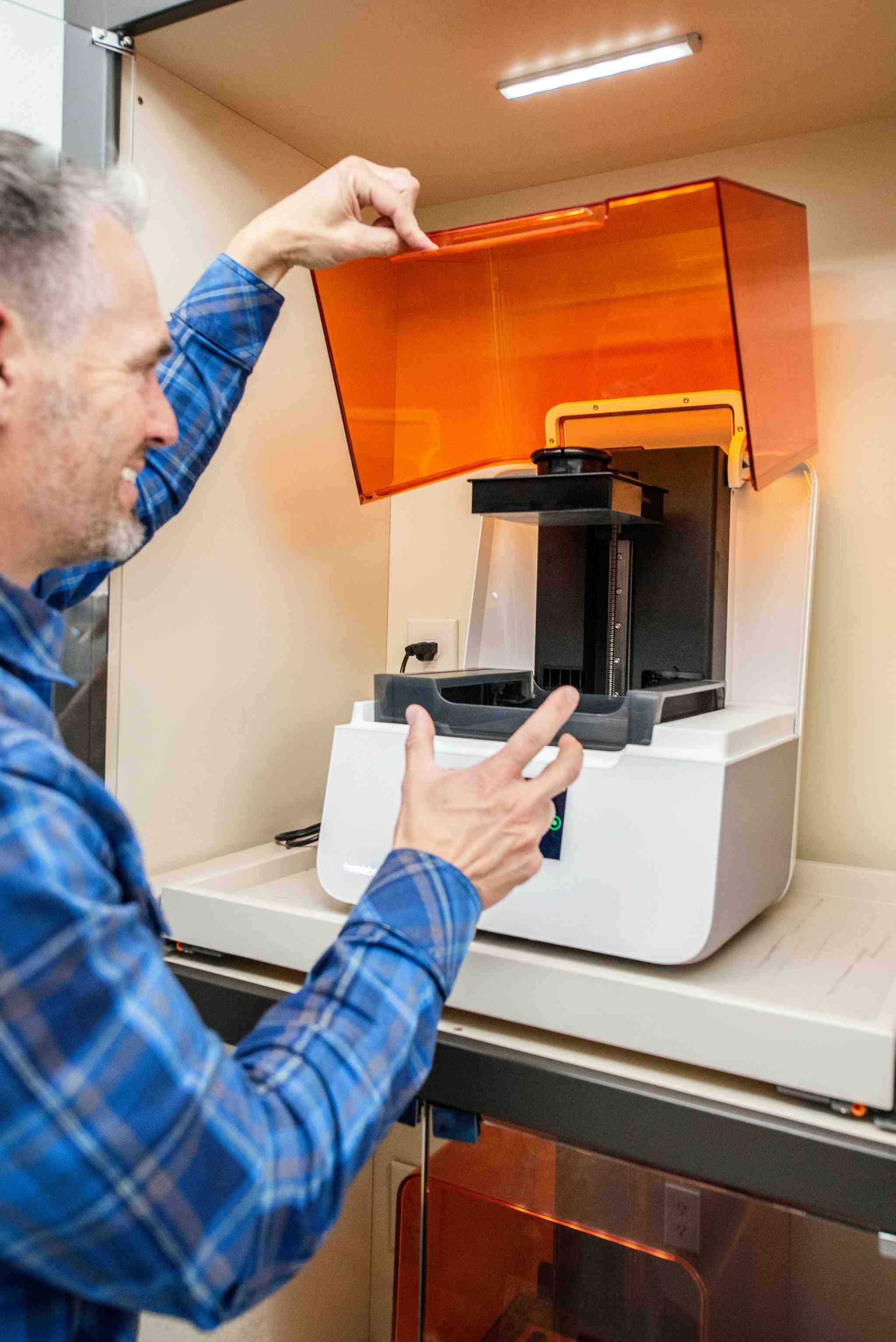
We understand that choosing a dental crown is a significant decision. Our experienced dentists are here to guide you through the process, from the initial consultation to the final fitting. We use the latest technology, including 3D printing and digital impressions, to create crowns that are not only durable but also look and feel like your natural teeth.
Our commitment to personalized care means that we take the time to listen to your concerns and preferences. Whether you need a crown for a front tooth or a back tooth, we ensure that the final result enhances your smile and improves your dental health.
Moreover, our comprehensive services cover all aspects of dental care. From routine check-ups to complex cosmetic procedures, we have the expertise and technology to meet all your dental needs. Our goal is to make every visit to Capitol Dental a positive and comfortable experience.
If you’re considering ceramic dental crowns, we invite you to learn more about our services and how we can help you achieve a beautiful, healthy smile.
Learn more about our cosmetic dentistry services and schedule your consultation today!