

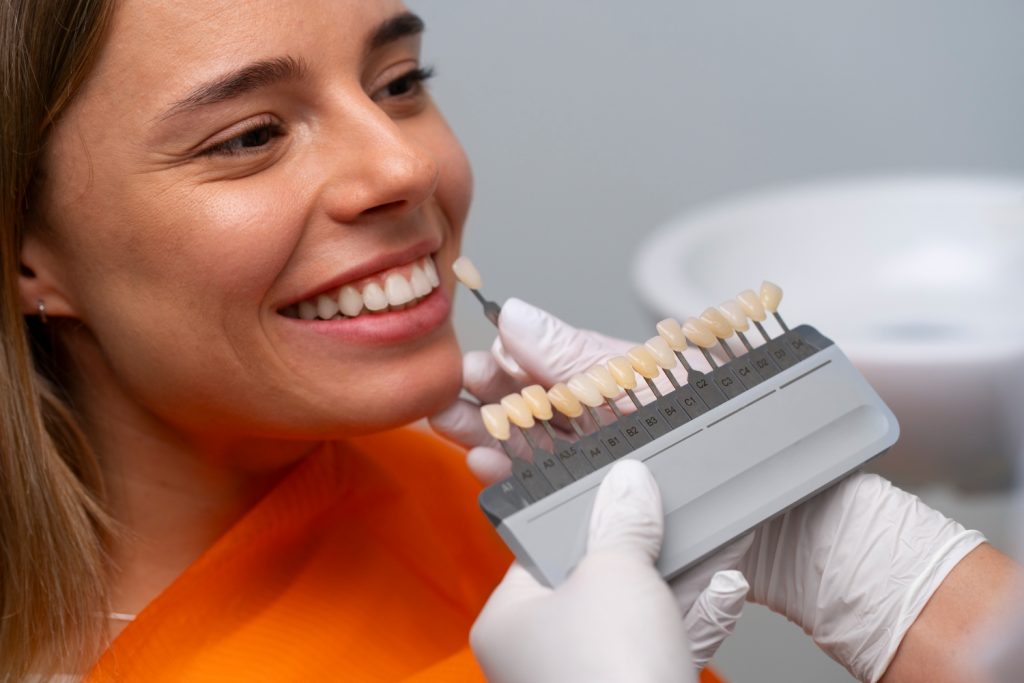

Ceramic dental crowns have become a favorite option for restoring damaged, weakened, or discolored teeth. With improvements in technology and design, they now look more natural and last longer than older versions. Patients often choose ceramic crowns to fix both front and back teeth because they blend in so well with the rest of the smile. They are custom-made, tooth-colored, and built to handle everyday wear.
Understanding how long ceramic crowns last helps people feel more confident about their choices. Whether you have had a crown for a few years or are thinking about getting one, it’s helpful to know what affects their lifespan and how to keep them in good shape over time. Longevity depends on many things, some within your control and others that come with natural use.
Capitol Dental in Boise offers ceramic dental crowns as part of a complete care plan focused on durability, aesthetics, and comfort.
What Are Ceramic Dental Crowns?
Ceramic dental crowns are tooth-shaped caps made entirely of porcelain or similar strong ceramic materials. They are designed to fully cover and restore a tooth that has been damaged, weakened, or worn after a procedure like a root canal or a large filling. Once the crown is placed, it helps protect the tooth while restoring normal appearance and function.
Ceramic crowns are known for looking more natural compared to other types. They do not have any metal base, which makes them more comfortable for people with metal sensitivities and allows them to reflect light like natural tooth enamel. This feature makes ceramic crowns a great option for front-facing teeth.
People often choose ceramic crowns for the following reasons:
– Strong visual match to natural teeth
– Better comfort for those with metal allergies
– No dark lines at the gumline like with some metal-based crowns
– Good durability under normal chewing pressure
Ceramic dental crowns are commonly used to restore teeth after damage or decay, to support a tooth after a root canal, or to cover misshaped or severely discolored teeth. To ensure a great fit, each crown is custom-made based on a digital scan or physical mold of the patient’s mouth.
Factors Affecting the Lifespan of Ceramic Crowns
While ceramic crowns are long-lasting, their lifespan varies from person to person. Both how they are used and how well they are cared for play a big role. Dental grade ceramic is strong, but like any material, it wears down over time with use and habits.
These are the main factors that can affect how long ceramic crowns last:
1. Oral hygiene habits
Brushing your teeth twice daily and flossing once a day helps reduce plaque buildup around the crown’s edges. Left alone, plaque creates problems for gums and can make crowns loosen early.
2. Grinding or clenching
People who grind their teeth while asleep or clench their jaws during the day put a lot of extra stress on crowns. This pressure can lead to cracks or a shorter lifespan. A custom nightguard is often recommended to protect not only the crown but the surrounding teeth as well.
3. Diet choices
Sticky candy, hard nuts, and chewing on ice can crack or wear down a ceramic crown. Avoiding these or being careful while eating tough foods can help the crown last longer.
4. Placement and stress
Crowns placed on front teeth usually face less chewing pressure than molars. Crowns in the back of the mouth take more force, so they may wear out sooner depending on eating and chewing habits.
5. Regular dental visits
Keeping up with cleanings helps monitor crown health. Dentists can spot issues like early separation, gum changes, or fitting problems before they become bigger concerns.
Many ceramic crowns remain strong and functional for 10 years or longer when cared for properly. On the other hand, a neglected crown may need repair or replacement sooner. Attentive care makes a big difference.
How to Care for Your Ceramic Crowns
Once a ceramic crown is placed, daily care helps maintain its strength and appearance. Thankfully, this doesn’t require any complicated tools or expensive products. Treating the crown like a natural tooth is the simplest approach and helps it last much longer.
Brushing with a soft-bristled toothbrush and non-abrasive toothpaste is a good starting point. Brushing too hard or using gritty toothpaste can weaken the ceramic surface. Flossing every day, especially around the gumline of the crown, helps get rid of food particles and plaque that lead to decay and gum issues.
Be cautious with what you bite down on. Ice cubes, unpopped popcorn kernels, hard candies, and bones can put pressure on the crown and cause it to crack or chip. Sticky foods like taffy or caramel can loosen the edges of a crown, leading to discomfort or decay if left unchecked.
If you enjoy crunchy or chewy snacks, try chewing them on the side of your mouth without the crown or cut items into smaller pieces. This small change can go a long way in protecting the crown.
Stay alert to small changes. If your bite starts to feel off or you feel new sensitivity near the crown, it’s a good idea to have it looked at. Catching issues early often avoids costlier fixes later on.
Here are a few practical tips to extend the life of your ceramic crown:
– Use a soft toothbrush and brush twice daily
– Floss carefully once per day
– Skip chewing hard items directly with the crowned tooth
– Ease up on sticky or sugary foods that cling to teeth
– Visit the dentist every six months for a cleaning and exam
Ceramic crowns are sturdy, but like all dental work, they benefit from small, healthy habits done consistently.
Signs It Might Be Time to Replace Your Ceramic Crown
Even well-crafted crowns eventually show signs of wear. While many changes are noticeable, others are easy to overlook until there’s discomfort.
Pain along the edges of the crown or aching deep in the tooth can mean it no longer fits well or that decay has started underneath. Sensitivity to heat or cold is another sign that something may be wrong.
Grinding or long-term use can flatten the ceramic surface or develop hairline cracks that let bacteria in. Even if it doesn’t hurt, small damage can affect your bite or lead to bigger issues.
Keep an eye out for these signs:
– The crown wiggles or feels loose
– You can see cracks, chips, or surface wear
– There’s renewed pain or temperature sensitivity
– It looks different in shape or color than before
– You feel soreness in the gums or jaw area near the crown
Don’t rely only on how it feels day to day. Even if it seems like everything is fine, seeing a dentist regularly helps catch these problems before they grow.
Waiting too long to replace a worn crown can lead to tooth fractures, root infections, or the need to completely extract the tooth. Replacing crowns before they break down avoids larger treatments and protects your smile in the long run.
Achieve Long-lasting Smiles at Capitol Dental
Having a ceramic crown placed is an investment in both comfort and appearance. With good care at home and regular checkups, ceramic crowns can last many years and continue to blend in naturally with your smile.
From brushing gently and flossing daily to choosing foods wisely and seeing the dentist on schedule, small habits add up. Addressing discomfort early and replacing aging crowns on time helps prevent major damage or tooth loss.
Capitol Dental in Boise is here to guide you through every step, whether you’re considering your first ceramic crown or wondering if it’s time to replace one. Our team works with you to create a plan that supports long-term dental health and lasting confidence in your smile.
For personalized care and solutions that combine comfort with long-lasting results, ceramic dental crowns are a smart option. At Capitol Dental in Boise, we’re here to help you keep your smile healthy and natural-looking with our ceramic dental crowns.