

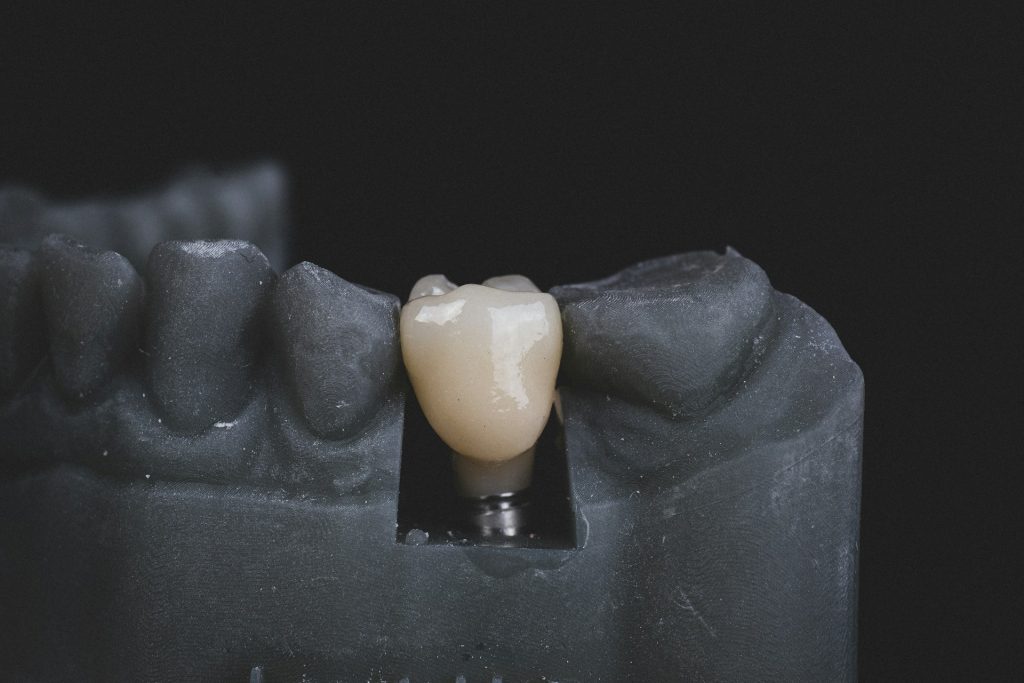

Getting new dental implants is a big step toward restoring your smile and chewing comfort. As with any dental procedure, proper aftercare makes a noticeable difference in healing and long-term success. One of the most commonly overlooked parts of that care is your diet. What you choose to eat and what you avoid can play a big role in how well your implants settle in and stay strong over time.
Certain foods can interfere with healing, damage the implants, or even cause unnecessary pain. By steering clear of a few known troublemakers, especially in the weeks right after surgery, you give your mouth the best chance to recover. Below are some of the top foods to avoid if you’ve recently gotten dental implants in Boise and want to keep your new smile working well for years to come.
Sticky And Chewy Foods
Sticky foods are one of the biggest offenders after implant placement. Chewy or gummy textures can pull on the area around the implant, sometimes disturbing the healing process or causing unnecessary strain on the site. Worse, these foods tend to wedge between teeth and implants, making it tough to clean properly and leaving room for bacteria to grow.
Common snacks and treats to avoid include:
– Caramel and taffy
– Chewing gum
– Gummy candies
– Dried fruit
These foods create a tugging motion when you chew, which can be rough on implants that haven’t fully healed. Even if your implant feels stable, don’t take chances. It’s better to wait a bit longer than risk setbacks.
If you’re looking for satisfying snack swaps, soft and smooth options are your friends. Try things like mashed avocado, soft-cooked vegetables, or yogurt. These won’t stick to your dental work and are easier to manage during recovery. The goal is to keep pressure and movement around your implant to a minimum while still getting the nutrition you need.
Hard And Crunchy Foods
It can be tempting to bite into a crunchy snack or chew on something to stay occupied, but hard foods pose another common challenge. Biting into hard items too soon after your implant procedure can damage the crown or even shift the implant itself, which may cause discomfort or delay proper healing.
You’ll want to avoid things like:
– Hard candies
– Ice
– Nuts
– Raw carrots or celery
– Popcorn (especially unpopped kernels)
Even small crunches add up, especially if you eat them often. While your implant integrates with your jawbone, it’s safer to stick to foods that don’t require biting force. You’re better off cooking your vegetables until soft, slicing fruit into smaller bites, or soaking dry oats instead of munching on granola.
Think of it this way: your implant is like a new foundation. You wouldn’t want to start stomping on freshly poured cement. Give it time to firm up, and you’ll be back to enjoying your regular favorites soon enough.
Sugary Foods And Beverages
Sugar on its own doesn’t directly damage dental implants, but it can affect the area that supports them—your gums and natural teeth. When you load up on sweet snacks or drinks, it creates more work for your mouth. Plaque feeds off sugars and can collect around the base of the implant, especially if it’s still healing. This buildup may lead to gum issues that weaken the area holding your implant.
Common sugary items to steer clear of include:
– Soda and energy drinks
– Candy bars and chocolates
– Frosted breakfast pastries
– Ice creams and milkshakes
– Sweetened teas and coffee drinks
If you’re craving something sweet in Boise’s summer heat, try choosing fruit-based options like chilled watermelon or frozen grapes. They’re lighter on your teeth and hydrate you at the same time. If water gets boring, drop in some cucumber or mint for a refreshing twist that’s gentle on your mouth. For dessert, plain yogurt with a drizzle of honey or fruit puree is a tasty choice that won’t cause as many problems.
Keeping sugary treats to a minimum will help extend the life of your implant and reduce the chances of inflammation in your gums. It’s about building habits that support your dental work instead of working against it.
Spicy And Acidic Foods
While hot sauces and citrus-based dishes pack flavor, they might be too harsh on your mouth after implant surgery. Spicy foods increase blood flow where it’s not needed and can irritate your healing gums. Acidic ingredients can wear on oral tissues and slow down recovery. They can also make your tongue or gums sting, leaving your mouth feeling sore or sensitive.
It’s best to avoid these food groups for now:
– Lemons, oranges, and grapefruit
– Tomato sauce and ketchup
– Hot peppers and spicy salsas
– Vinegar-heavy dressings or marinades
– Buffalo wings or any heat-based sauces
Once your mouth has healed fully, you may be able to enjoy these again in moderation. In the meantime, there are still plenty of ways to add flavor without triggering inflammation. Use fresh herbs like basil or parsley. Stick with mild alternatives like steamed veggies served with olive oil and gentle seasonings.
The recovery process is temporary, but what you eat during this time can lead to a stronger, more stable smile. Giving your gums a break from overly acidic or spicy meals helps create the right conditions for long-term comfort.
Enjoying A Balanced Diet With Dental Implants
Once you know what to avoid, the next step is finding the right balance of foods that help your body heal. That includes nutrient-rich choices that are easy to chew but high in value. These foods keep your whole body energized without stressing your dental implants.
Go for soft proteins, cooked grains, and smooth fruits. Not only are these safer to eat, but they also support faster recovery. Here are some examples to work into your meals:
– Scrambled eggs or tofu
– Steamed fish or shredded chicken
– Oatmeal or couscous
– Bananas, pears, or applesauce
– Mashed beans or lentils
These kinds of meals are easier on your mouth, and they help make sure you’re still feeding your body well. Eating right supports your gums, bone health, and immune system, which all play a part when healing from dental implant surgery.
Changing how you eat may feel strange during the first few weeks, but it gets easier, especially when you start to see the results. A smoother recovery, less discomfort, and better long-term implant health are solid payoffs for a few food swaps.
Checkups Keep Everything On Track
Watching your healing on your own is helpful, but you’ll still want input from someone who can evaluate your implant’s condition. Follow-up visits aren’t just for confirming that the implant stays in place. They help catch small issues like inflammation or signs of teeth grinding that could grow into larger concerns down the line.
Even if everything feels fine day to day, don’t wait until there’s pain to get it checked. Your dentist knows what to look for and may spot early signs of problems before they escalate. That kind of early detection can often save time, money, and comfort.
Every mouth heals at its own pace, and there’s no single timeline that fits everyone. By going to your appointments and talking about any discomfort, sharp spots, or food challenges you’re having, you’ll help your provider guide you faster to a healthy result.
Your dental implants in Boise can remain a strong part of your smile for many years when given the right care. Keeping your diet simple during healing, showing up for checkups, and sticking with healthy habits all contribute to good long-term results. Taking those steps early makes a real difference later, and your future comfort is worth it.
For those who have recently received dental implants in Boise, maintaining a healthy smile goes beyond just diet changes. Regular check-ups at Capitol Dental ensure everything is on track and provide personalized advice to support your oral health. By opting for professional guidance and focusing on good habits, you’re setting the stage for lasting comfort. Learn more about taking care of your dental implants in Boise.