

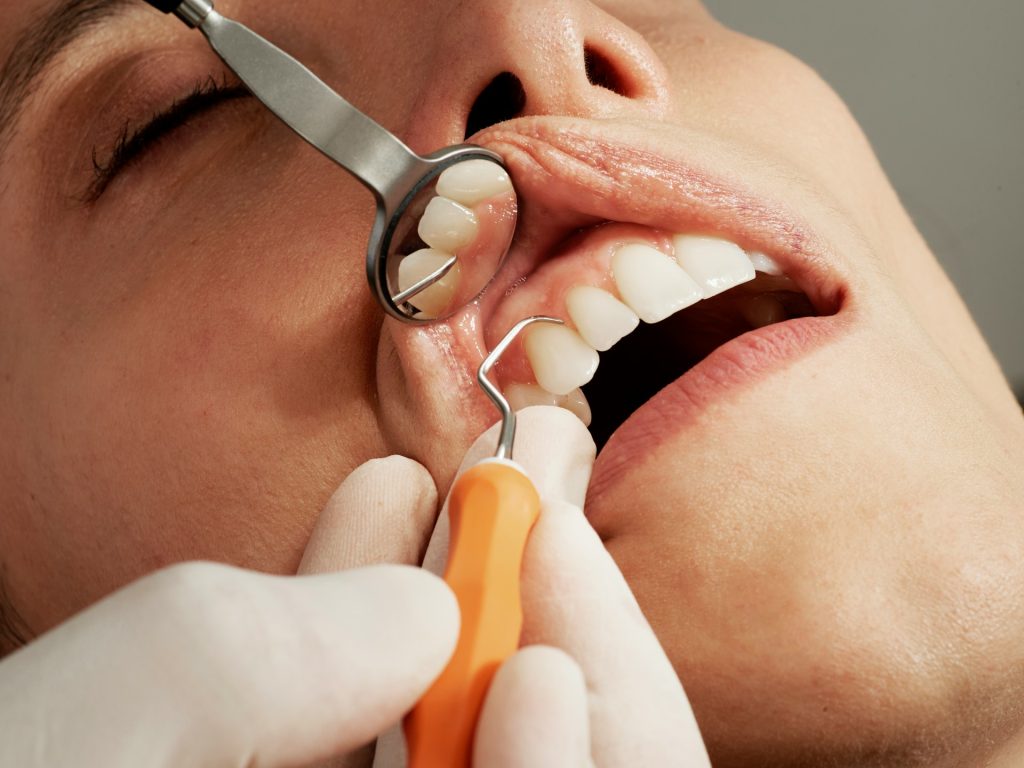

Brushing your teeth every day is definitely a step in the right direction, but sometimes your mouth may need a bit more help. Even if your smile looks fine at a glance, unseen problems can start building up. Brushing might handle the surface level grime, but it can’t catch or fix what’s happening beneath the gums or inside a tooth. That’s where knowing the signs of a deeper issue comes in handy. Ignoring them could lead to bigger complications that are tougher and more expensive to deal with later.
If you’re starting to notice discomfort, weird tastes, or changes in how your teeth or gums look, that’s not something to brush off. It might be your body’s way of saying those twice-a-day brushings aren’t cutting it anymore. Recognizing these early clues can save you time, money, and hassle. Boise is an active place, especially in late summer. Between hiking, barbecues, and sunny weekends, oral health tends to get pushed to the back burner. So it’s smart to take a moment and run through a few signs that could mean it’s time to get things checked out.
Persistent Bad Breath or Unpleasant Taste
Everybody deals with bad breath from time to time after coffee, garlic-heavy meals, or waking up in the morning. But if you’re reaching for mints throughout the day and still feel like your breath isn’t fresh, it could point to a bigger problem.
Lasting bad breath or a constant off-putting taste in your mouth can be signs that something’s wrong beneath the surface. Here’s why that happens:
– Plaque and bacteria building up between teeth and under the gum line
– Gum inflammation that comes from gingivitis or more serious gum disease
– Food particles and decay in cavities that weren’t noticed earlier
– Dry mouth reducing natural saliva flow, which helps clean your mouth
When you can’t seem to shake that funky taste or odor, brushing and flossing will only go so far. It usually means that bacteria has built up where your toothbrush can’t reach anymore. Persistent odors can be embarrassing, but it’s also uncomfortable living with that taste or smell all day and not knowing what’s causing it.
If you’ve noticed people stepping back during conversations or you feel self-conscious at work meetings because of it, there’s probably something deeper going on that brushing won’t resolve.
Consistent Tooth Sensitivity or Pain
That sharp jolt when biting into ice cream might seem like no big deal until it becomes a regular thing. Sharp or dull aches when drinking cold or hot drinks, chewing, or even breathing in chilly air can mean the protective layer of enamel has worn down. When that happens, sensitive nerves underneath start reacting to even the smallest triggers.
Tooth sensitivity and oral pain aren’t things to normalize. They can happen for different reasons, including:
– Thinning enamel that no longer blocks out heat or cold
– Gum recession leaving parts of the tooth root exposed
– Cavities forming in spots you can’t easily see
– Cracks or fractures in the tooth
When pain is steady or keeps coming back, it’s not something to push through and hope it’ll just vanish. A small issue like a worn filling or early cavity can become a much bigger repair job if left untreated. And while sensitivity might be manageable with changes at home, toothaches that wake you up or make it hard to eat need a proper check.
There’s a difference between occasional discomfort and consistent irritation. You’ll know it when you feel it. If eating your favorite local treat in Boise, like a frozen huckleberry bar or a hot slice of pizza, suddenly makes your mouth wince, it’s time to stop guessing and look into professional care.
Visible Changes in Teeth or Gums
If you’re seeing something different when you look in the mirror, it might be time to pay attention. Changes in your teeth or gums often point to problems that brushing can’t fix. It’s easy to notice a new stain or a little red spot and just shrug it off, but small shifts in appearance can signal that something’s going wrong under the surface.
Here are a few signs to watch for:
– Teeth are starting to look yellow, brown, or darker than usual
– Gums look puffy, red, or are pulling away from the teeth
– You spot white patches or rough textures on the teeth
– A tooth looks longer than it did before
– Your teeth feel sticky, even after brushing
Discoloration could come from coffee, tea, or wine, but it can also mean your enamel is wearing down. Plaque buildup that stays too long can harden into tartar, and that doesn’t come off with your toothbrush. Puffy or shrinking gums are especially worth noticing, as they’re often signs of gum irritation or more advanced problems.
A good example is if you suddenly notice that floss slips way down between your teeth when it used to feel tighter. That might mean your gums are receding. That could expose the roots, making you more prone to decay and sensitivity. It’s a simple clue, but one that’s easy to miss unless you’re paying close attention.
Difficulty Eating or Speaking
Oral discomfort can show up in quiet ways. Little things like chewing on one side of your mouth, cutting food into tiny pieces, or choosing soft meals without meaning to might signal an issue. These habits can sneak up on you, and before you know it, you’re working around a problem instead of resolving it.
If you’re noticing any of the following, it’s smart to take a step back and think about why:
– Chewing feels uneven or uncomfortable
– Jaw gets sore after talking or eating
– A tooth feels loose or “off” when biting down
– You’re avoiding crunchy, chewy, or hot foods
– Words seem harder to pronounce clearly
A hidden cavity or cracked tooth can make chewing painful. Sometimes discomfort isn’t intense enough to stop you, but it still wears on you over time. That pressure or awkward bite can lead to headaches, jaw tension, or even difficulty concentrating at meals. And if it’s affecting your speech, that’s a strong sign your mouth isn’t functioning the way it should.
No one should feel nervous about enjoying their food or worried about how they sound while speaking. If you’re constantly adjusting to get through meals or struggling to speak comfortably during conversations, that points to a deeper dental issue needing attention.
When It’s Time to Get Help
It’s easy to push through minor dental issues and hope they pass. Life gets busy, especially around August in Boise. Whether you’re out on the river or catching the last music events of summer, oral health may not be top of mind. But ignoring the signs won’t make them go away. If you’ve noticed bad breath that won’t quit, constant tooth sensitivity, or shifting teeth and gums, those clues are worth your attention.
Waiting too long can often turn a small problem into a big one. What starts out as mild gum swelling or slight sensitivity can snowball into tooth loss, root damage, or infections. These aren’t scare tactics. They’re reminders that the mouth doesn’t usually fix itself without help.
Dental care isn’t just about fixing what’s wrong. It’s about finding issues early so you can take care of them before they start affecting your whole life—your diet, your social life, even your mood. Getting into a regular dental routine and responding when something feels off makes a big difference for long-term wellbeing. The signs are there. All it takes is recognizing them and taking that first step forward.
Feeling like your dental care routine might need a boost? Catching signs of worsening oral health early on can make all the difference. If you’re noticing symptoms that brushing doesn’t address, it might be time for a deeper look at your oral care needs. Consider exploring the possibilities of a comprehensive Boise dental treatment to maintain your oral health effectively. At Capitol Dental, our experienced team is ready to evaluate your dental needs and provide personalized solutions to keep your smile both healthy and comfortable.