

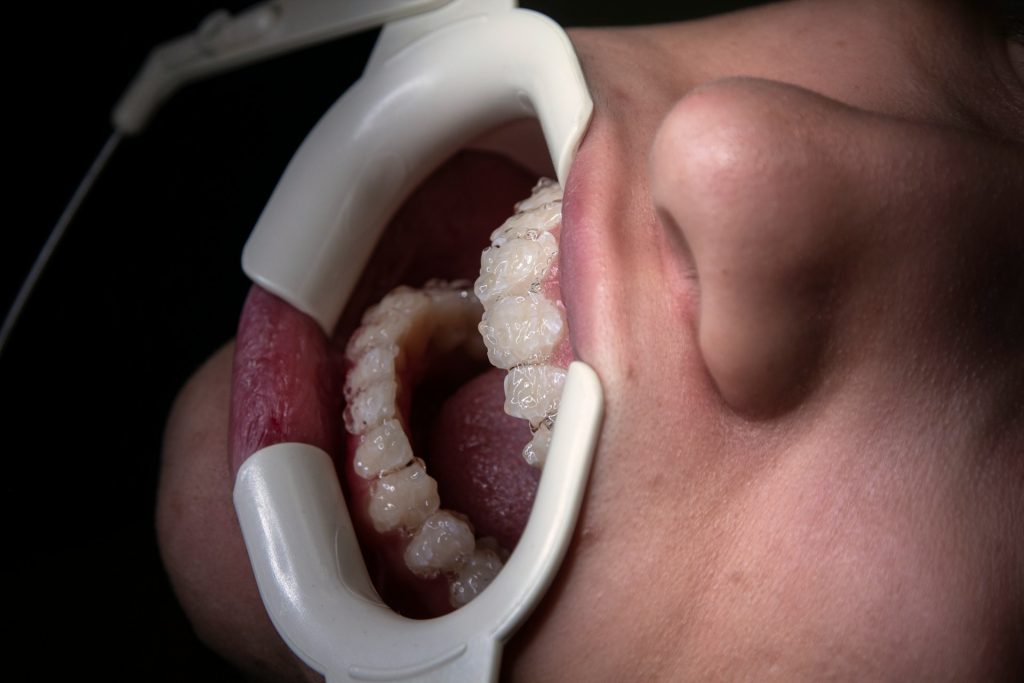

Teeth whitening can feel like a tricky subject. On one hand, everyone wants a brighter smile. On the other, nobody wants to end up with sensitive or damaged teeth after trying to whiten them. With so many products, treatments, and hacks out there, it’s easy to get overwhelmed or pick something that does more harm than good. The good news is that it is possible to get a whiter smile without hurting your enamel or irritating your gums.
Whether you’re prepping for a special event, job interview, or just want more confidence when you smile, it helps to understand what’s safe and what’s not. Choosing the right methods can make all the difference. The focus shouldn’t only be on looks, but also on keeping your teeth strong and your gums healthy. The good thing is you don’t have to guess your way through it. There are safe ways to brighten your teeth, and it starts with knowing what’s causing the discoloration in the first place.
Understanding Stains And Discoloration
Before choosing a whitening method, it’s helpful to figure out what you’re dealing with. Not all stains are the same, and not every product works on all types of discoloration.
Some common causes of stained teeth include:
– Food and drinks like coffee, red wine, soda, or dark berries
– Tobacco use in any form
– Poor brushing habits over time
– Certain medications
– Natural aging of the enamel
Surface stains, also known as extrinsic stains, are the ones that build up on the outside of your teeth. These are usually the easiest to treat with whitening toothpaste or professional cleaning. Then there are deeper stains, or intrinsic discoloration. These come from within the tooth and may be caused by trauma, aging, or certain kinds of medication. These stains are harder to remove and usually need stronger solutions from a cosmetic dentist.
Sometimes, it’s not even about what you’re doing wrong. Even with great habits, some people just have teeth that are slightly yellow in color because of their enamel or genetic makeup. That’s why figuring out the cause helps with choosing what works best instead of guessing your way through different products or treatments.
At-Home Whitening Tips
There are plenty of products you can use at home to try and brighten your smile. Some are fairly gentle and easy to get, and others might need a little more care when used. Either way, you’ll want to make sure you’re not going overboard.
Here are a few common at-home methods and what to know about each:
1. Whitening Toothpaste
These kinds of toothpaste have mild abrasives that help remove surface stains. They’re generally safe for daily use as long as they aren’t extremely abrasive. People with sensitive teeth should look for formulas designed for gentleness.
2. Whitening Strips
Strips can be effective when used as instructed. They usually have a low dose of peroxide to help lift stains. Misusing them or using them too often can lead to gum irritation or tooth sensitivity.
3. Natural Ingredients
Baking soda is sometimes used for stain removal, but it should always be used with care. The same goes for hydrogen peroxide. These might work in small doses, but it’s easy to overdo it. And frequent use can slowly wear down your enamel if you’re not careful.
If you’re thinking about trying several methods at once, don’t. Whiteners like toothpaste, strips, or other products should never be layered or combined without professional guidance. More isn’t always better and trying to jump ahead can actually slow you down by harming your teeth or gums.
Stick with just one method at a time for a couple of weeks and see how your teeth respond. And if you notice any pain, change in gums, or lingering sensitivity, stop immediately. That’s usually a sign that your teeth need a break or that the method isn’t right for you.
Professional Whitening Options
If you’ve tried drugstore options and still feel like your smile could use a boost, visiting a cosmetic dentist in Boise can be the next step. Professional teeth whitening treatments aren’t just stronger versions of what you use at home. They’re carefully planned based on the condition of your teeth, any sensitivities, and the type of discoloration you’re dealing with. That makes them safer and often more effective.
Here are a couple of common in-office whitening methods:
– Laser or light-activated whitening: A special gel is applied to your teeth, then activated using a bright light. The full process usually takes less than an hour. You’ll likely notice a brighter difference right away, especially with surface stains.
– Custom whitening trays: Your dentist creates trays that fit your teeth perfectly. You’ll usually be given a supply of professional-strength gel to use at home. The trays help make sure the gel stays in place and doesn’t rub your gums or get swallowed.
Each option has perks and possible downsides. Laser whitening is fast, but if you’ve got sensitive teeth, the intensity might be too much without adjustments. With custom trays, you’ll need to follow a schedule and stay consistent, but the benefit is more control and fewer sensitivity issues.
One of the biggest advantages of professional care is knowing your teeth are being treated safely. Over-the-counter products take a one-size-fits-all approach. Dentists in Boise can adjust treatments just for you and monitor things like enamel condition or gum health during the whitening process. That means less risk of harm and better results in the long run.
Long-Term Whitening Maintenance
Once you’ve brightened your teeth, you’ll want to keep them that way. Whitening results don’t last forever, especially if you’re constantly drinking coffee or other stain-heavy drinks. Fortunately, there are steps you can take to hold onto your results longer without making big lifestyle changes.
Here are some simple tips:
– Cut back on foods and drinks that stain, such as red wine, coffee, tea, and soda. When you do have them, try drinking through a straw or rinsing your mouth soon after.
– Brush at least twice a day using a whitening toothpaste made for daily use. It helps fight surface stains before they set in.
– Schedule regular dental cleanings to keep plaque and buildup from dulling your smile. Even people with good brushing habits often miss hard-to-reach spots.
– Avoid tobacco. Smoking or chewing tobacco will stain your teeth quickly and make them harder to whiten down the line.
– Touch up with professional whitening as recommended. If you’ve already done in-office treatment, your dentist might offer a tray for boosts throughout the year.
Even small habits like drinking more water can help rinse away stain-causing substances during the day. Sometimes, it’s those everyday choices that make the difference between needing another whitening treatment next month or holding off for a year or more.
Your Path To A Brighter Smile
Getting a whiter smile doesn’t have to come at the cost of your dental health. With the right approach, you can brighten your teeth and protect your enamel at the same time. Whether you start small with changes to your routine or go for a professional treatment in Boise, the key is doing it safely.
Whitening your teeth should make you feel more confident, not worried about sensitivity or lasting damage. The right plan doesn’t just deliver results, it keeps your gums and enamel healthy too. Once you’ve found a treatment that fits, keeping your smile white is all about smart habits and a little maintenance along the way.
Achieving that perfect smile is a journey worth taking, and your comfort with each step matters. If you’re looking for effective solutions and expert guidance, a cosmetic dentist in Boise can help you reach your dream smile while protecting your oral health. At Capitol Dental, we’re committed to providing personalized care with exceptional results. Let us help you discover a path to a brighter, healthier smile today.